The morning ritual of getting dressed – a seemingly simple act that can spiral into an existential dialogue with our closet. We’ve all been there: standing before hangers of carefully curated pieces, yet feeling utterly disconnected from every item we own. This universal experience speaks to something deeper than just clothes; it reflects our evolving relationship with self-expression and identity.
The Psychology Behind Wardrobe Decision Fatigue
When we open our closets each morning, we’re not just choosing clothes – we’re making dozens of micro-decisions that tap into our finite daily reservoir of decision-making energy. This phenomenon, known as decision fatigue, can leave us feeling depleted before we’ve even started our day. A capsule wardrobe isn’t just about minimalism; it’s about creating a sanctuary for our decision-making capacity.
Think of your wardrobe as a computer program: the more variables you introduce, the more processing power required. Just as developers optimize code for efficiency, we can streamline our closets to reduce the mental overhead of getting dressed.
Understanding the Cost of Choice
Research suggests that the average person makes approximately 35,000 decisions each day. Our wardrobes, especially in this era of fast fashion and endless options, can contribute significantly to this cognitive load. Each morning, we’re not just deciding between shirts – we’re processing complex algorithms of weather, social context, professional requirements, emotional state, and body image.
Capsule Wardrobe Psychology: The Postpartum Wardrobe Evolution
Perhaps no life transition challenges our relationship with our closet quite like the postpartum period. Like a software update that fundamentally changes how an operating system functions, our bodies and identities undergo a profound transformation. During this time, many women find themselves navigating what I call the “identity terrain” – that rocky landscape between who we were and who we’re becoming.
This period often triggers two seemingly contradictory impulses:
- The craving for radical simplicity
- The yearning for complete reinvention
These opposing forces aren’t actually in conflict – they’re different expressions of the same core need: to feel authentically ourselves in a changing context.

The Emotional Architecture of Getting Dressed
Our wardrobes serve as more than just clothing storage – they’re interactive interfaces with our self-image. Each piece carries emotional metadata: memories, associations, and projections of who we want to be. During major life transitions, this emotional coding can become outdated or misaligned with our current needs.
Capsule Wardrobe Psychology: Minimalism as a Bridge to Reinvention
The beauty of a capsule wardrobe lies not in its restrictions but in its potential for transformation. Like a well-designed API, it provides a stable foundation while allowing for flexible implementation. When everything feels unstable, having a core set of reliable pieces acts as your debugging toolkit – helping you identify what works and what doesn’t in your evolving style.
The Building Blocks of a Psychological Capsule Wardrobe
Your capsule wardrobe should reflect both your current reality and your aspirational self. Consider these elements:
- Anchor pieces that ground you in your identity
- Transition items that bridge the gap between different phases
- Experimental elements that allow for creative expression
- Comfort foundations that support daily functionality
The Role of Seasonal Transitions
Just as seasonal changes in weather can disrupt our wardrobe algorithms, they also present opportunities for intentional adaptation. Those “atypically warm Fall weather” moments create what developers might call “edge cases” in our style programming – situations that challenge our standard wardrobe functions and force us to think creatively.
Adapting to Environmental Variables
Creating a wardrobe that can handle environmental edge cases requires thoughtful system design. Consider implementing these strategies:
- Layer-oriented architecture that allows for quick adaptation
- Modular pieces that can be easily combined and recombined
- Strategic redundancy in key categories
- Flexible styling patterns that work across temperature ranges
Small Quirks as Style Microservices
Rather than implementing massive wardrobe overhauls, consider introducing what our source text beautifully describes as “small, quirky impulses.” These modest style experiments function like microservices in software architecture – discrete, manageable changes that can be tested and integrated without disrupting the entire system.
Implementing Style Microservices
The key to successful style evolution lies in making small, intentional changes:
- Start with accessories as lightweight style tests
- Experiment with new styling patterns for existing pieces
- Introduce one novel element at a time
- Monitor the impact on your daily comfort and confidence
The Confidence Rebuild Pattern
When facing style uncertainty, many of us default to our “tried and trues” – those reliable pieces that have proven their worth over time. This isn’t a fashion failure; it’s a smart deployment strategy. Like using stable code branches in development, these pieces provide a secure foundation from which to launch new style experiments.

Implementing the Pattern:
- Identify your core reliable pieces
- Document what makes them work
- Use them as templates for thoughtful expansion
- Gradually introduce variations and experiments
Capsule Wardrobe Psychology: Finding Inspiration in Your Own Runtime Environment
Ralph Lauren’s advice to “be inspired by your own life” resonates particularly well in the context of wardrobe psychology. Your style should reflect your daily experiences, challenges, and victories. Like a well-documented codebase, your wardrobe should tell the story of who you are and who you’re becoming.
Mining Personal Data for Style Insights
Consider keeping a style journal or digital log to track:
- Which outfits make you feel most confident
- The contexts where certain pieces shine
- Patterns in your style preferences
- Environmental factors that influence your choices
Capsule Wardrobe Psychology: The Sustainable Style Ecosystem
Building a sustainable wardrobe isn’t just about choosing eco-friendly materials – it’s about creating a system that sustainably supports your lifestyle and evolution. This means considering:
- The emotional sustainability of your choices
- The adaptability of your wardrobe system
- The long-term viability of your style choices
- The environmental impact of your fashion decisions
Conclusion: The Living Wardrobe
A capsule wardrobe isn’t a static collection – it’s a living, breathing system that evolves with you. The goal isn’t perfection but rather creating a flexible framework that supports your identity exploration while minimizing decision fatigue. Those moments of feeling “flat or dull” aren’t failures; they’re valuable feedback in the ongoing process of personal style development.

Remember: the shakiness that comes with style evolution isn’t a bug – it’s a feature. It signals that you’re growing, adapting, and remaining open to new possibilities. In the end, the most sustainable wardrobe is one that honors both who you are and who you’re becoming, providing a stable platform for daily expression while leaving room for the thrilling possibility of reinvention.
By approaching our wardrobes with this mindset of thoughtful curation and intentional evolution, we can create not just a collection of clothes, but a powerful tool for self-expression and personal growth. The journey from decision fatigue to confident self-expression isn’t always linear, but with the right framework in place, it becomes an exciting adventure in personal style development.
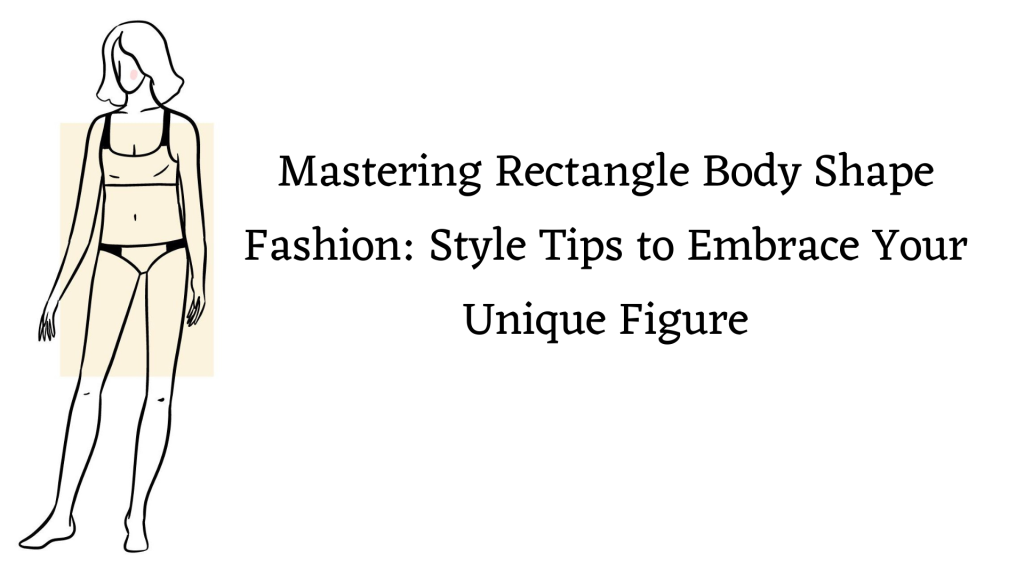
I have previously written about each of these body shapes separately: the apple, rectangle, hourglass, pear and inverted triangle body shapes are analyzed in detail, with specific clothing recommendations.