
Most capsule wardrobe advice starts the same way: build your base in neutral colors. Camel, gray, beige, white, black. Layer in your personality from there. Simple enough.
But here’s the problem. Those five neutrals don’t flatter everyone equally. A cool gray that looks polished and sophisticated on a Winter reads flat and draining on a Warm Autumn. A camel coat that makes a Spring glow looks muddy on a Summer. The best neutrals for your capsule wardrobe are not universal. They are seasonal. And getting them wrong is exactly why so many capsule wardrobes look great on a hanger and somehow fall flat on a real person.
This post walks you through the capsule wardrobe color formula by season: which neutrals anchor your wardrobe, which ones to skip, and how your subtype shifts the formula.
What Color Analysis Actually Means by “Neutral”
Before the season-by-season breakdown, a quick definition. In color analysis, neutrals are not just black, white, and gray. They include any color that functions as a foundation tone in your wardrobe: warm anchors like camel, cream, chocolate brown, and warm khaki; cool anchors like navy, charcoal, cool taupe, and soft white.
The question is not whether a color is technically neutral. It is whether it sits harmoniously with your natural coloring or fights it. That is the entire basis of the capsule wardrobe color formula: every piece you reach for most often should be working with your undertone, not against it.
Now, let’s go through each season.
Spring: Warm, Bright, and Fresh
Spring coloring is built on warmth and clarity. Your skin has peachy or golden undertones, your hair picks up golden or strawberry highlights, and your eyes are bright rather than deep. The neutrals that support this are warm, light, and clean.
Your core neutrals: warm ivory, cream, warm beige, camel, and peachy nude tones. These sit close to your natural warmth and let your coloring come forward rather than compete with your clothes.
What to avoid: cool gray, stark white, and black. Cool gray puts an ashy cast on warm Spring skin. Stark white creates more contrast than Spring coloring is designed to carry. Black is simply too heavy and draining for most Springs.
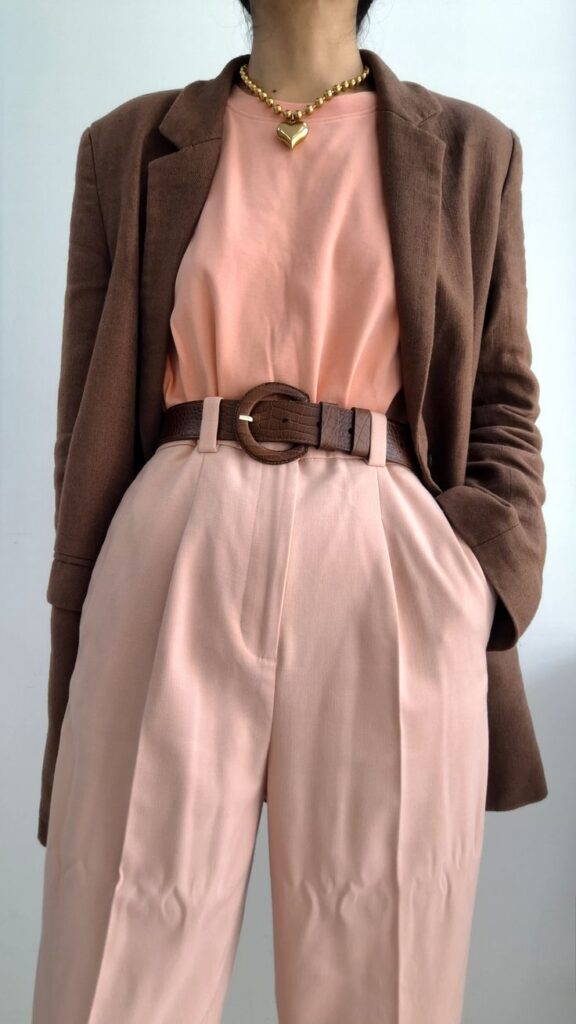
If you have been building your capsule wardrobe on a charcoal and white base and wondering why it always feels slightly off, this is why. The foundation of your capsule wardrobe color formula needs to start with warmth.
Summer: Cool, Soft, and Understated
Summer coloring is cool and muted. Your skin has pink or blue undertones, your hair tends toward ash, and there is a softness to your overall look rather than high drama. Your neutrals need to match that softness.
Your core neutrals: soft white, cool gray, cool taupe, and dusty rose-beige. These are the colors that let a Summer look refined and polished rather than washed out.
One specific rule: stark black is too harsh for Summer. It creates a contrast your coloring was not built to carry. Charcoal or soft black is the substitute, and it does the job much more elegantly.
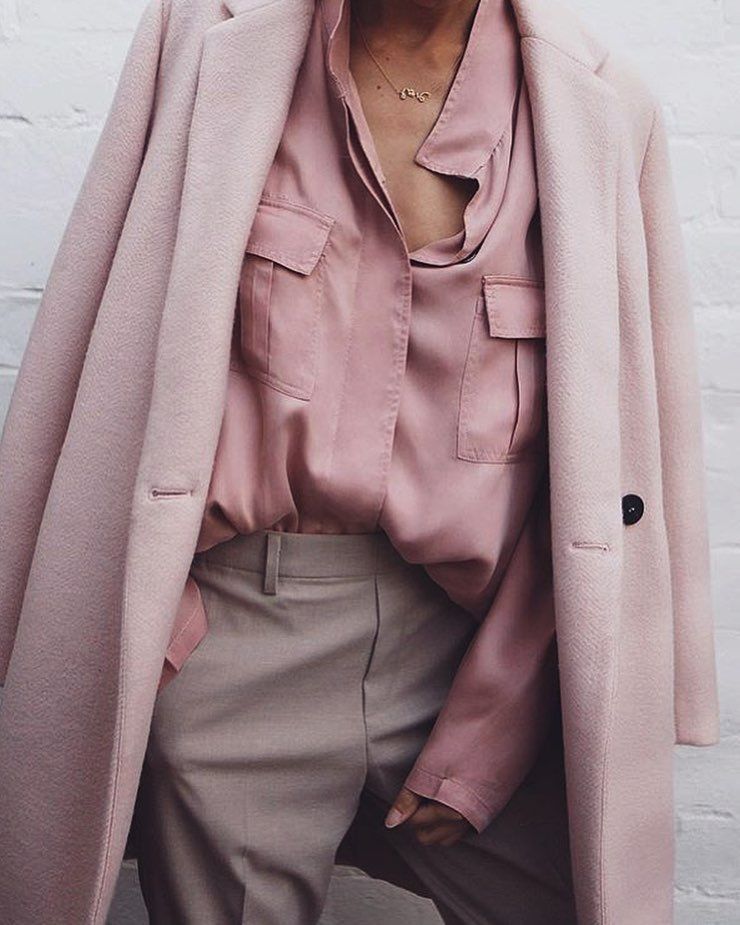
Warm beige and camel are the neutrals to avoid. They pull yellow into the complexion and make a Summer look tired rather than pulled-together.
Autumn: Rich, Warm, and Grounded
Autumn coloring is the warmest of all the seasons. Your skin has golden or peachy undertones, your hair tends toward auburn, golden brown, or warm chestnut, and your eyes often carry amber or golden flecks. You need neutrals that are equally grounded and rich.
Your core neutrals: camel, chocolate brown, warm khaki, olive, and warm cream. These are the colors that make Autumn skin glow. They have weight and warmth without going bright or loud, which is exactly what Autumn coloring needs as its capsule wardrobe foundation.

What to avoid: cool gray, bright white, and anything with a blue or silver cast. These read harsh and disconnected against warm Autumn coloring. If you have tried building a minimalist gray-and-white wardrobe and it never felt like you, this is the explanation.
Winter: Cool, Deep, and High-Contrast
Winter coloring is defined by contrast. Deep hair, cool skin, and eyes with real intensity. You are the one season that can wear stark black and stark white and look exactly right in both.
Your core neutrals: true white, black, charcoal, navy, and cool gray. These are strong, clear, and high-contrast, which is precisely what Winter coloring requires. Soft or muted versions of these will read washed-out rather than refined.
What to avoid: warm beige, camel, golden tones, and anything peachy or cream-based. These pull the coolness out of Winter coloring and make the skin look sallow. The warmth that looks radiant on an Autumn is the same warmth that drains a Winter.
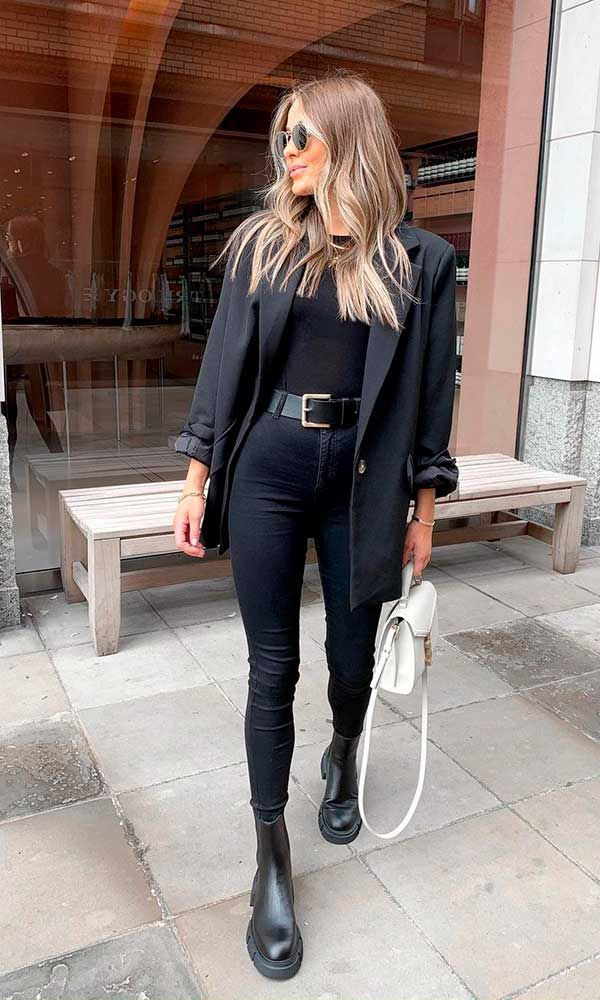
Get the neutrals right, and getting dressed becomes a question of which outfit, not which pieces actually work together. That is the whole point of the capsule wardrobe color formula.
How Your Subtype Shifts the Formula
Your main season gives you the foundation. Your subtype fine-tunes it.
Springs: Light Spring leans into softer, lighter versions of the warm neutrals, close to powder and blush-beige. Bright Spring can handle slightly stronger contrast and borrow a cool-toned ivory or bright white from its Winter influence. Warm Spring doubles down on the golden and camel end of the spectrum.
Summers: Soft Summer’s autumn influence makes the palette slightly more muted and warmer than True Summer’s, so a warm gray or greige can work where a pure cool gray might be too stark. True Summer handles the coolest, most refined neutrals cleanly. Light Summer needs the softest, palest versions of every neutral on the list.
Autumns: Deep Autumn can go darker and richer than the other Autumns, and its Winter influence means very deep neutrals like near-black brown or deep charcoal are fair game. Soft Autumn is the most muted of the three, so dusty, desaturated versions of the warm neutrals serve it best. Warm Autumn can handle the brightest, most golden end of the camel-and-cream range.
Winters: Cool Winter benefits from a slightly softer Winter palette, so a very soft white or dusty charcoal can work alongside the harder contrasts. Bright Winter can pull in a cool bright ivory or electric white from its Spring influence. Deep Winter handles the deepest, most saturated neutrals of the entire system.
The 5-Neutral Capsule Formula
Here is the practical takeaway. For a working capsule wardrobe by color season, build your five neutrals using this structure:
Pick two to three core anchors from your main season’s list. These are your highest-frequency pieces: trousers, blazers, coats, everyday bags.
Add one to two neutrals from your subtype’s cross-seasonal influence. These are the pieces that add range without breaking the palette.
That’s it. Five neutrals, all pulling in the same directional warmth or coolness, all working with the same undertone. Everything mixes. Everything works.
A quick example: a True Summer building her capsule wardrobe would anchor in soft white, cool gray, and cool taupe, then add a dusty rose-beige from the Summer palette and a slightly deeper charcoal from the Winter influence. Five neutrals. All cohesive. All flattering.
Build the Foundation First
A capsule wardrobe built on wrong neutrals is a wardrobe you never reach for. You have the pieces, they technically go together, but nothing feels quite right. Now you know why.
Get the neutrals right and everything else follows. Your accent colors sit on a base that matches your coloring. Your outfits stop requiring effort. That is the real point of the capsule wardrobe color formula: less second-guessing, more looking like yourself.
Photo source: Pinterest